info@montybrothers-az.com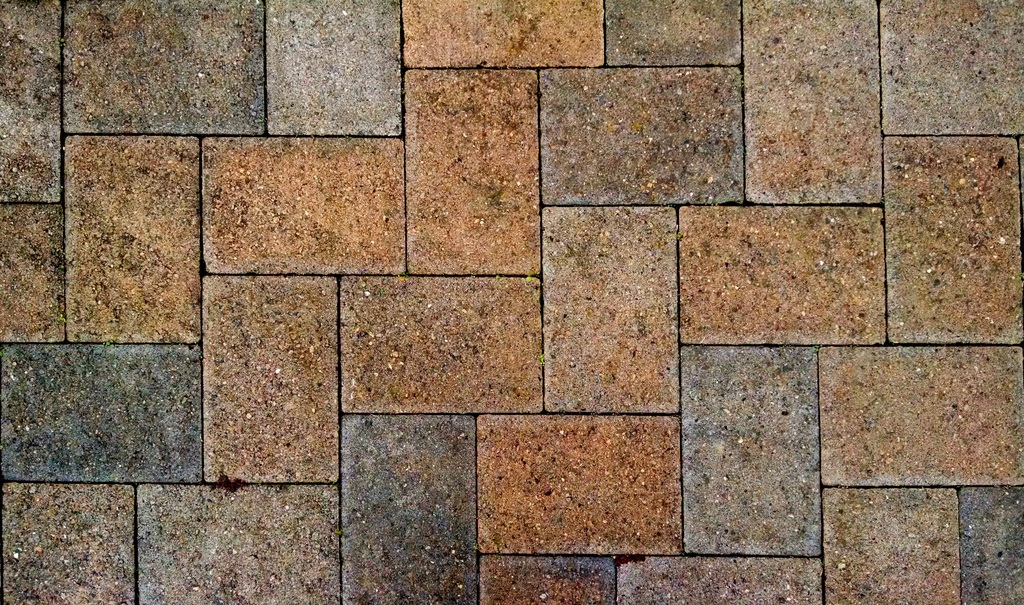
You’re about to uncover the world of brick pavers! From understanding the basics to exploring diverse types, we’ve got you covered.
You’ll learn about popular patterns, how to customize your brick paver designs, and start-to-finish installation. Plus, we’ll share maintenance tips to keep your surface looking fresh.
You’ll get a peek at successful projects for inspiration. Get ready to transform your outdoor space with stylish, durable brick pavers.
Let’s dive in, shall we?
Understanding the Basics of Brick Pavers
You’ll first need to understand the two basic types of brick pavers: clay and concrete. They’re both popular choices, but they’ve different properties that can influence your decision.
Clay brick pavers are made from natural clay that’s fired in a kiln. They’re an excellent choice if you’re after a classic, timeless appeal. They’re also durable, can withstand heavy traffic, and require minimal maintenance. However, they can be more expensive than their concrete counterparts.
On the other hand, concrete pavers are made from a mixture of cement, sand, and water. They’re versatile and come in a variety of shapes, sizes, and colors. You can easily customize them to match your style and they’re generally more affordable. But they’re not as durable as clay and might fade over time.
Exploring Various Types of Brick Pavers
In this section, you’ll discover a myriad of brick paver design ideas, and you’ll learn how each type can dramatically transform the look and feel of your outdoor landscape.
Firstly, there are the interlocking pavers. These are designed to lock into each other, providing a sturdy base for your patio, driveway, or walkway. They’re easy to install, durable, and come in a variety of shapes and colors.
Next, you’ve got the traditional brick pavers. These are the classic red bricks that you’re probably most familiar with. They’re versatile, hard-wearing, and can create a charming, rustic effect.
Cobblestone pavers are another type to consider. These offer a more old-world look and are perfect if you’re going for a more historic feel.
Finally, you’ll find the permeable pavers. These are specially designed to allow water to pass through, reducing runoff and making them an eco-friendly option.
Each type of paver has its own unique benefits and aesthetic appeal. So, don’t be afraid to mix and match, or to choose a style that truly reflects your personal taste. With the right choice, you’ll not only enhance your outdoor space but also add value to your home.
Popular Brick Paver Patterns
Your choice of brick paver pattern can make a big difference in your project’s overall appearance, and it’s something you should consider carefully. The pattern you select can transform your space from basic to breathtaking. It’s not just about aesthetics, though. The pattern also affects the path’s durability and stability.
You’re probably wondering, ‘What are some popular brick paver patterns?’ Well, here are three that you’ll often find in both residential and commercial settings:
1. Running Bond Pattern
This classic pattern involves bricks laid end-to-end in joint straight lines. It’s simple yet elegant, and it’s perfect if you’re going for a neat, orderly look.
2. Herringbone
Bricks are arranged in a zig-zag pattern, which creates a visually striking effect. This brick pattern isn’t only attractive but also very sturdy, making it ideal for high-traffic areas such as a brick patio.
3. Basketweave
In this pattern, pairs of bricks are placed vertically and horizontally to form a design that resembles a woven basket. It’s a charming option that adds a touch of whimsy to any space.
Customizing Your Design With Brick Pavers
With brick pavers, you’re not limited to standard patterns, but can also customize your own design to suit your style and needs. You’re the artist here, and the brick pavers are your canvas.
Whether you desire a classic herringbone pattern or a personalized monogram, the possibilities are endless.
You can create a design that’s truly unique by mixing various colors and shapes of brick pavers. You can also incorporate other materials like stone or glass to add a distinctive touch. Don’t be afraid to play with contrasts and textures to make your design pop.
Remember, it’s all about what suits your taste and fits the ambience of your home. If you’re going for a rustic look, opt for earthy tones and irregular shapes. If you prefer a modern aesthetic, choose clean lines and bold colors.
You might also want to consider the functional aspect. For a driveway, you’ll need a strong, durable pattern, whereas a garden path could be more creative and intricate.
In short, customizing your brick paver design allows you to create a personalized, functional, and aesthetically pleasing outdoor space. Don’t hesitate to let your imagination run wild!
The Process of Installing Brick Pavers
How do you begin the process of installing brick pavers, and what tools will you need? Don’t worry, it’s simpler than you might think. You’ll need some basic tools for the job, such as a shovel, a carpenter’s level, and a rubber mallet.
When you’re ready to start, follow these three steps:
1. Preparation
First, you’ll need to prepare the area where you’re planning to install the pavers. This involves removing any existing surface material, leveling the ground, and laying down a base layer of gravel or crushed stone.
2. Laying the Pavers
Next, you’ll arrange the brick pavers on the prepped surface in your chosen pattern. Make sure to keep them as level as possible.
3. Securing the Pavers
Once you’ve laid all the pavers, fill the gaps between them with sand. This will help keep them in place and prevent shifting. Finally, you’ll use your rubber mallet to gently secure the pavers into the sand.
Maintenance Tips for Brick Paver Surfaces
It’s crucial for a brick paver’s lifespan and good looks that you carry out regular maintenance, and it’s easier than you might think. You don’t need to be an expert or invest a lot of time, just a bit of effort can go a long way.
The first step is to ensure that you’re regularly sweeping your brick pavers. This prevents the accumulation of dirt and debris which can cause staining over time. Use a stiff broom for best results.
Next up, consider sealing your brick pavers. Sealing can protect them from various elements like rain and sun, and also helps in preventing stains. It’s not necessary to seal them every year, but doing it every two or three years will help enhance their durability.
Moreover, always be on the lookout for weeds. Weeds can sprout in between the brick pavers and if left unchecked, they can cause damage. So, pull out any weeds you see, or better yet, use a weed killer to prevent them from sprouting in the first place.
If maintaining brick paver surfaces prove to be a daunting task, it’s recommended to hire a professional. Contact Install Brick Pavers Orlando today as they can provide valuable assistance in ensuring the longevity and beauty of your brick paver surfaces. They have the expertise to properly clean and seal the pavers, preventing the growth of weeds and moss.
Additionally, they can also conduct regular inspections, identifying any potential issues like cracks or shifting. Their knowledge and skills in repairing and restoring brick pavers can help you avoid costly repairs in the long run.
By hiring Install Brick Pavers, you can relax knowing that your brick paver surfaces are being properly maintained, allowing you to fully enjoy and appreciate their aesthetic appeal.
Conclusion
So, you’ve explored the world of brick pavers, from understanding the basics to examining various types and patterns. You’ve learned how to customize your design and the installation process. Plus, you’ve picked up some handy maintenance tips.
Now, it’s your turn to create a successful brick paver project.
Take inspiration from the case studies, let your creativity run wild, and transform your outdoor space into an inviting, stylish retreat.