info@montybrothers-az.com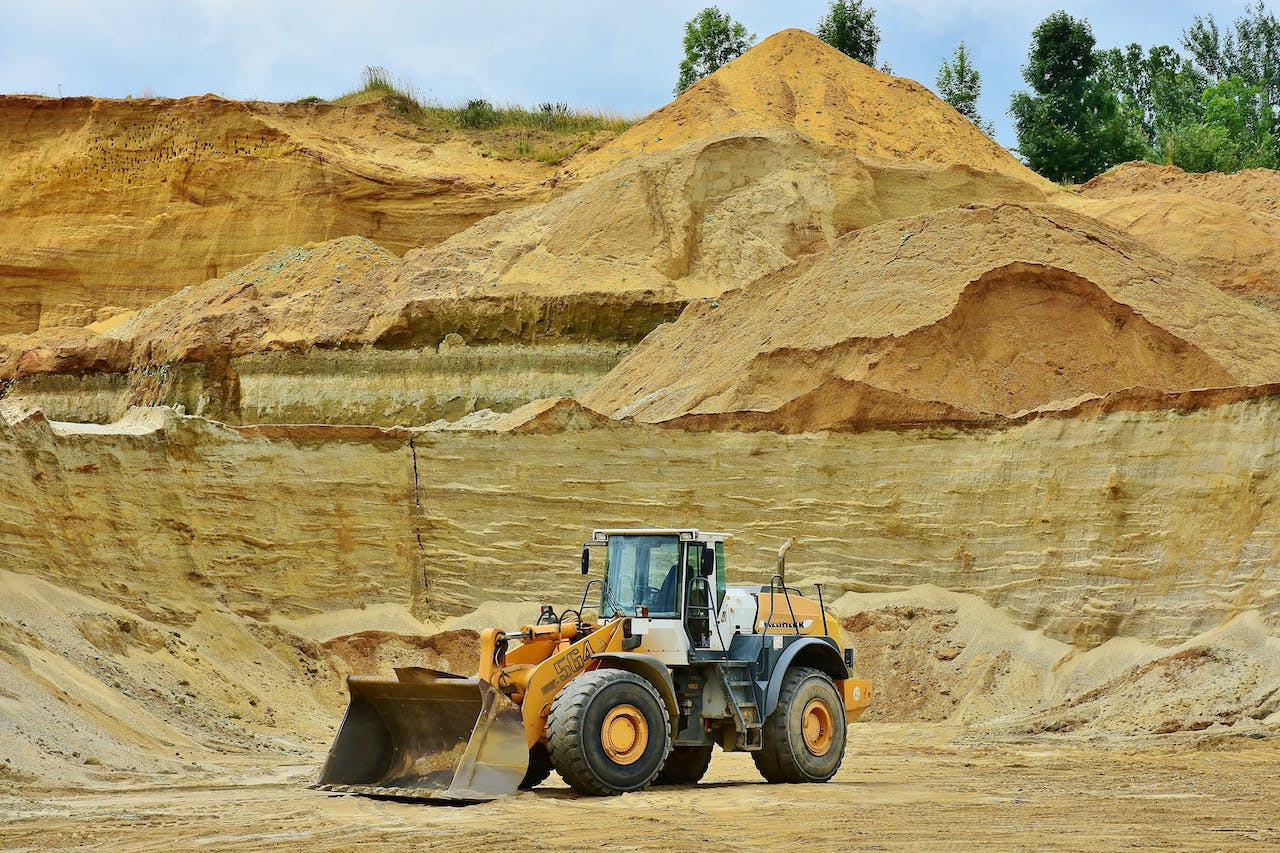
In the world of construction and civil engineering, the term “plant hire” has become a cornerstone for efficiency and project success. But what exactly is plant hire, and why is it so crucial in the construction industry? In this article, we’ll delve into the concept of plant hire, exploring its definition, the types of equipment involved, and the myriad benefits it brings to construction projects of all sizes.
Defining Plant Hire:
Plant hire refers to the practice of renting out heavy machinery, equipment, and tools for construction purposes rather than purchasing them outright. This allows construction companies, contractors, and project managers to access a wide array of specialized equipment without the substantial upfront costs associated with ownership. The rented equipment, often referred to as “plant,” includes a diverse range of machinery such as excavators, bulldozers, cranes, loaders, and more.
Types of Equipment in Plant Hire:
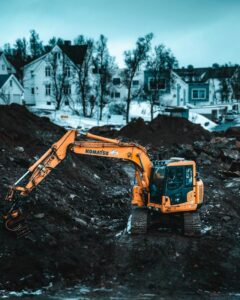
- Excavators: Excavators are versatile machines used for digging, trenching, and earthmoving. They come in various sizes, each suitable for specific tasks, from small-scale landscaping to large-scale construction projects.
- Bulldozers: Bulldozers are powerful, heavy-duty machines equipped with a large blade in front. They are adept at pushing and leveling soil, making them essential for tasks like grading and site preparation.
- Loaders: Loaders are used for moving materials such as soil, gravel, or debris. With a front-mounted bucket, loaders are invaluable in tasks that involve loading and transporting materials within a construction site.
- Cranes: Cranes play a pivotal role in lifting and moving heavy materials vertically and horizontally. From tower cranes for high-rise construction to mobile cranes for versatile applications, they are indispensable in the construction industry.
- Concrete Mixers: For projects requiring a consistent and efficient mixing of concrete, concrete mixers are essential. They come in various sizes, allowing for flexibility in accommodating different project scales.
Benefits of Plant Hire:
- Cost-Efficiency: One of the primary advantages of plant hire is cost-efficiency. Instead of investing significant capital in purchasing expensive equipment, construction companies can allocate resources more effectively by renting the required machinery for specific project durations.
- Access to Specialized Equipment: Construction projects often require a diverse range of specialized equipment. Plant hire allows companies to access the right tools for the job without the burden of storage, maintenance, and depreciation associated with ownership.
- Flexibility and Scalability: Plant hire provides flexibility, allowing construction companies to scale their equipment inventory based on project requirements. This adaptability is particularly beneficial for projects with varying demands and timelines.
- Reduced Maintenance and Repair Costs: Renting equipment means that maintenance and repair costs are typically the responsibility of the rental company. This relieves construction companies of the financial burden and logistical challenges associated with equipment upkeep.
- State-of-the-Art Technology: Plant hire enables construction companies to utilize the latest and most advanced equipment in the industry. This access to cutting-edge technology enhances efficiency, productivity, and the overall quality of construction projects.
Conclusion:
In essence, plant hire is a strategic approach that empowers construction professionals with the tools they need to bring their projects to fruition. From earthmoving to material handling, the diverse array of equipment available through plant hire services ensures that construction endeavors can be executed with precision, efficiency, and cost-effectiveness. Embracing plant hire is not just a choice for convenience; it’s a strategic decision that aligns with the evolving needs and dynamics of the construction industry.