info@montybrothers-az.com
Asphalt is a material that is used for paving roads. It is made of stone, sand, and bitumen. On the other hand, bitumen is a type of petroleum that is used to bind the other materials together. Asphalt is a black, sticky substance that is a common material for road and driveway pavement because it is highly durable and water proof.
But how long does it take for asphalt to dry? If you’re interested to know more about this, we suggest you continue reading as we’re going to tackle this topic in today’s article.
How Long Does It Take For Asphalt To Dry?
The answer to this question depends on a few different factors, including the weather and the thickness of the asphalt.
In general, it takes about 24 hours to dry completely. However, if the weather is warm and sunny, it could take as little as 12 hours for the asphalt to dry. On the other hand, if the weather is cool and cloudy, it could take up to 48 hours for the material to completely dry out.
And while the weather is a major factor in the drying or curing time of asphalt wind can also play a role. Wind can speed up the drying process, but it can also cause problems if it’s too strong. If there’s a lot of wind, it can blow away the moisture before the asphalt has a chance to cure properly. This can result in a weaker and less durable asphalt surface.
It is important to keep these factors in mind when you are planning to pave a road or driveway. You will need to allow enough time for the asphalt to dry before you can open the road to traffic. Otherwise, you could cause damage to the asphalt pavement.
How Drying Time And Curing Time Is Different?
The difference between asphalt drying time and curing time is that drying time is the amount of time it takes for the asphalt material to become dry to the touch. While curing time is the amount of time it takes for the asphalt to reach its full strength.
Asphalt dries relatively quickly, but it takes a while for it to reach its full strength. This is why it’s important to wait until the asphalt is fully cured before opening the road for use again.
On the other hand, the curing time for the asphalt depends on a number of factors, including the weather and the thickness of the asphalt. Generally speaking, it takes about 30 days for the asphalt to reach its cured state. However, if the weather is quite warm and sunny, it could take up to 60 days for the asphalt material to cure.
What If The Asphalt Pavement Is Not Allowed To Dry Or Cure Completely?
If the asphalt is not allowed to dry or cure completely, it can cause damage to the asphalt. To be specific, if the asphalt is not allowed to dry, it can cause the pavement to become soft and sticky. And this can lead to a number of problems such as potholes and cracks in the asphalt surface.
And if the asphalt is not allowed to cure, it can also cause the asphalt to become brittle, which can lead to the asphalt breaking apart and can cause damage to the tires of vehicles and even the car itself.
What Maintenance Steps You Need To Keep In Mind After The Drying And Curing Process?
After the asphalt has dried or cured completely, it is important to perform some routine maintenance to keep it in good condition. One of the most important things you can do is to keep the surface clear of debris. This means you should sweep it regularly and remove any leaves or other objects that may accumulate on the surface.
Another important thing to do is to seal the surface of the asphalt. This will help to protect it from the elements and keep it looking new. You should seal the surface every few years, or as needed.
What You Should Not Do When Allowing The Asphalt To Dry Or Cure?
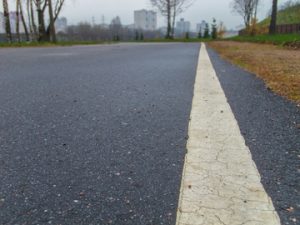
Asphalt pavement takes time to dry or cure. So it’s important to avoid doing anything that can compromise the quality of the pavement. Here are a few things you should avoid doing when allowing the asphalt to dry or cure:
- Driving or parking on the asphalt until it’s fully dry. This can damage the surface and make it more prone to chipping or cracking.
- Spilling any oil or other fluids on the asphalt. If this happens, you should clean it up as soon as possible.
- Allowing debris to accumulate on the surface of the asphalt. This can prevent the asphalt from drying properly and cause it to deteriorate more quickly.
- Walking on the asphalt when it’s still wet. This can leave footprints or other marks that will be permanent.
What Happens If You Let A Car Drive On An Asphalt Pavement That Is Not Completely Dried?
If you let your car drive on an asphalt pavement that is not completely dried, it can cause damage to the asphalt. That’s because the car can create deep ruts on the surface of the asphalt, which can make it difficult for the asphalt to dry completely.
Additionally, the weight of the car can cause the asphalt to break or crack in some areas, which will require repair work.
Finally, if you spill oil or another fluid on the asphalt while it is still wet, it can cause the surface to stain and discolor. So it’s important to be careful when allowing the asphalt to cure.
If you take these precautions, your asphalt pavement should last for many years of service. And if you’re in need of asphalt paving for your driveway or parking lot, contact Bluff City Paving in Memphis, TN today.