info@montybrothers-az.com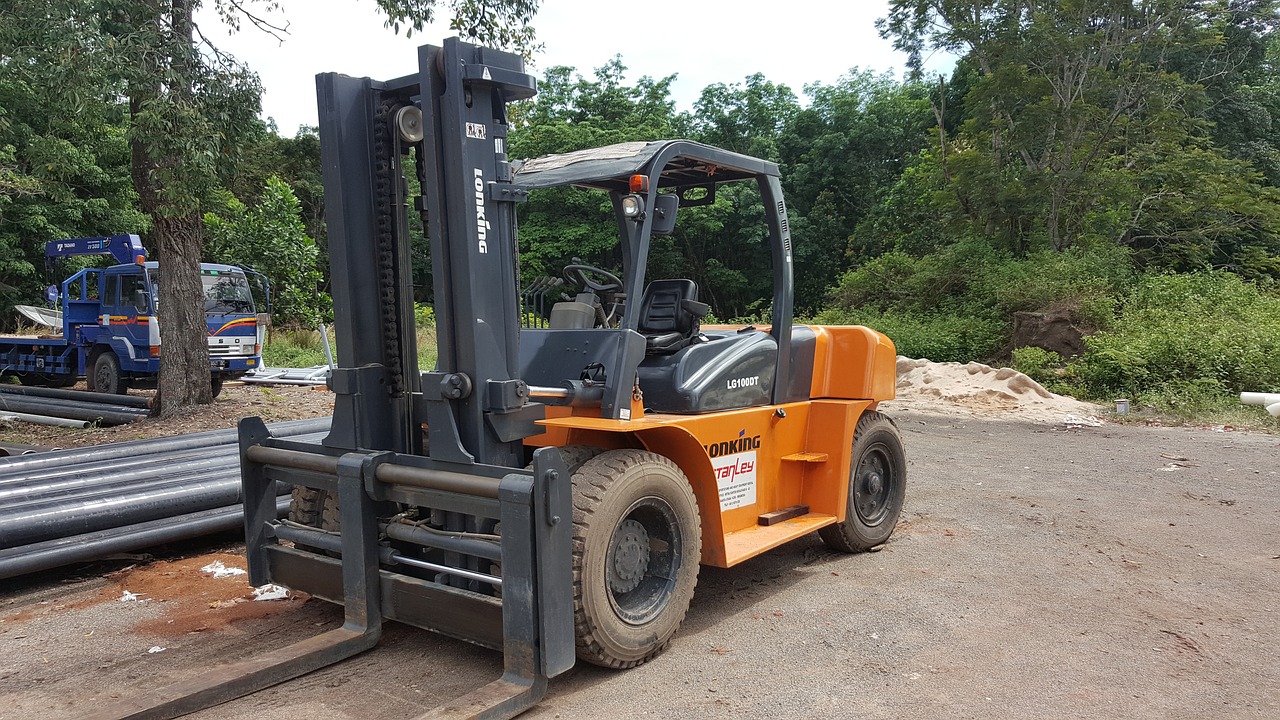
Selecting the appropriate forklift can significantly affect efficiency, safety, and maintenance expenses while operating on unstable surfaces like dirt and gravel.
So which forklift is best for dirt and gravel? Read more as we will compare the three most common types of forklifts used in outdoor applications and determine which one is best for dirt and gravel in today’s article.
Pneumatic Tire Forklifts
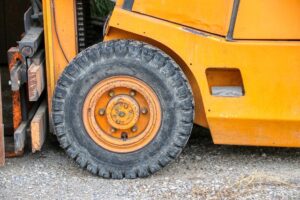
Forklifts with pneumatic tires have air-filled tires that offer excellent stability and traction on rugged terrain. They are perfect for outdoor tasks in which the surface is uneven and not made of concrete. Pneumatic tire forklifts come in different models, including diesel, gasoline, and propane-powered.
Pneumatic-tire forklifts have a significant benefit of being able to effortlessly move over rocky terrain and obstacles, making them an ideal choice for construction sites. The tires’ deep treads offer excellent traction on loose surfaces such as gravel and dirt, making them suitable for agricultural purposes as well.
Note that pneumatic-tire forklifts can cause damage to indoor concrete floors, making them unsuitable for indoor applications. Moreover, proper maintenance of pneumatic tires is necessary to prevent punctures and ensure that inflation is correct.
Cushion Tire Forklifts
Cushion tire forklifts are designed with solid rubber tires that provide excellent stability on even surfaces like concrete. They are typically used in indoor applications like warehouses and manufacturing facilities but can be used outdoor on smooth surfaces like pavement.
Cushion tire forklifts have a smaller turning radius than pneumatic tire forklifts, which makes them a better choice for narrow spaces. They are also more affordable in terms of maintenance since their tires do not require air pressure checks or frequent replacements.
However, cushion tire forklifts are not recommended for outdoor use on dirt and gravel since their tires cannot provide adequate traction on loose surfaces. They are also not designed to traverse over obstacles like rocks and debris.
Rough Terrain Forklifts
Rough terrain forklifts are designed with large, heavy-duty tires that can handle all types of outdoor surfaces, including dirt, gravel, mud, and uneven terrain. They are typically powered by diesel or gasoline engines and are built to handle heavy loads in rough conditions.
Rough terrain forklifts have high ground clearance and a rugged design that allows them to navigate over obstacles and uneven surfaces with ease. This makes them ideal for use in construction sites, agricultural applications, and other outdoor projects that require heavy lifting.
However, rough terrain forklifts are more expensive than their counterparts and require more maintenance due to their size and complexity. They are also not suitable for indoor use since their large tires can damage concrete floors.
What Are The Things To Consider When Choosing A Forklift For Handling Dirt And Gravel?
When choosing a forklift for dirt and gravel, there are several important factors that need to be taken into consideration. These include:
Operating Conditions – Rough terrain forklifts are best suited for outdoor applications where the surfaces are uneven or covered with debris. Pneumatic tire forklifts offer better traction on loose surfaces like dirt and gravel, while cushion tire forklifts are better suited for indoor applications or surfaces that are flat and even.
Load Capacity – Different types of forklifts have different load capacities, so it is important to consider the weight of the items that need to be lifted when making your decision.
Cost – Rough terrain forklifts tend to be more expensive than other types of forklifts due to their size and complexity. Pneumatic tire and cushion tire forklifts are typically the most cost-effective options depending on your needs.
Maintenance Requirements – Rough terrain forklifts require more maintenance than other types of forklifts, so it is important to consider the costs associated with regularly maintaining the machine. Additionally, pneumatic tires require periodic maintenance to prevent punctures and ensure proper inflation.
By considering these factors, you can make an informed decision about which type of forklift is best for your job and budget.
How A Forklift Dealer Can Help You In Picking The Right Forklift Machine According To Your Needs?
We recommend you to contact Watts Equipment in California today as they can provide valuable insight and advice on which type of forklift is best suited for your particular needs. They will be able to evaluate the items you need to lift, the terrain that needs to be traversed, and any other factors that may influence your decision.
They will also be able to recommend a machine that fits your budget and provide advice on proper maintenance to ensure that your forklift is operating properly. Ultimately, they will be able to help you make the right choice when it comes to picking the perfect forklift for your specific needs.
Final Thoughts
All in all, when it comes to choosing the best forklift for dirt and gravel, there is no one-size-fits-all solution. It all depends on the specific application, the type of surface, and the load requirements. Pneumatic tire forklifts are ideal for outdoor applications where the surface is not smooth or concrete, cushion tire forklifts are best for indoor applications on even surfaces, and rough terrain forklifts are ideal for heavy-duty outdoor applications that require traversing over rough terrain and obstacles.
Before making a decision, it’s important to consider factors like maintenance costs, load capacity, maneuverability, and overall performance. By doing so, you can ensure that you choose the right type of forklift for your specific needs and maximize productivity while minimizing costs.