info@montybrothers-az.com
Asphalt driveways are a popular option for homeowners, offering durability and a sleek, modern look. But how long will the asphalt driveway cure and be usable again?
If you’re interested to know more, we suggest you keep reading as we’re going to tackle this topic in today’s post.
The Standard Curing Time Of Asphalt
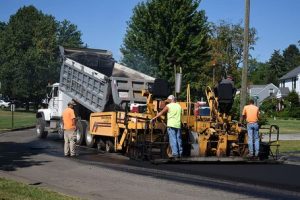
The time it takes for an asphalt driveway to cure depends on the size of the driveway, the weather conditions, and the type of mix used in preparation.
In particular, the size of the driveway affects the curing time because the heat from the asphalt must travel through the entire surface. This means that larger driveways will take longer to cure than smaller ones.
On the other hand, the weather conditions in your vicinity can also be a factor in the curing time because the asphalt needs warm temperatures to cure properly. The warmer it is, the faster it cures.
Finally, the type of mix used also influences how long for asphalt driveway to cure and be usable again. Different mixes are optimized for different regions, so they may have different curing times.
Generally speaking, most residential driveways will take anywhere from 1-3 weeks to cure completely.
Why Does Asphalt Take Time To Cure
Asphalt is created through a combination of bitumen (a binding agent) and aggregate (materials like gravel or sand). After this mixture has been laid down, it needs time to bind together and harden. This process can take some time due to factors like air temperature, humidity levels, and wind speed. Colder temperatures slow down the curing process significantly; during winter months it may take even longer for an asphalt driveway to fully cure.
What Steps Can Be Taken To Speed Up Curing Time
Homeowners can ensure their asphalt driveway cures as quickly as possible by taking care of temperature control. During warmer months it may be helpful to keep your driveway well-watered so that moisture levels stay consistent. It’s also important not to overcrowd your asphalt with cars or heavy objects before it has had time to dry—this can create depressions in the surface of your driveway which must be repaired before use.
In addition, adding a sealer once your asphalt has finished curing can help protect against water damage and wear & tear over time. Many different sealers are available depending on your budget constraints; talk with an experienced installer about what would be best for you.
What Are The Indications That The Asphalt Is Improperly Cured
If the asphalt was not given enough time to cure, you may notice some of the following signs:
- Soft, spongy, areas in your driveway’s surface. If pressure is applied and there is movement or sinking beneath it, this could mean that your asphalt has not yet hardened properly.
- Cracks and divots in the driveway’s surface. If left unchecked, these can grow larger and cause further damage to your asphalt.
- Oil spots, which could indicate that certain sections of your asphalt have not yet had time to bind together properly.
How A Professional Can Help You Ensure Your Driveway Is Properly Cured
If you’re unsure about how long it will take an asphalt driveway to cure, it’s best to contact a professional who will be able to provide more insight. An experienced contractor like Thomas and Dustin’s Asphalt in St. Louis MO will be able to tell you the optimal curing time for your particular project and help you make sure that your asphalt is fully hardened before putting it into use.
They may also suggest helpful steps or products to ensure that your asphalt is properly sealed and protected against the elements.
Asphalt sealing is a process of applying a protective coat to the asphalt surface in order to protect it from water, sunlight and other environmental elements. The process can help extend the life of your asphalt driveway, as well as increase its aesthetic appeal by enhancing the color.
Aside from that, the other steps to ensure the asphalt is completely cured includes compaction, re-grading and appropriate paving thickness.
Compaction is essential for an asphalt driveway as it helps to remove air pockets in order to give the pavement a denser, smoother surface. Re-grading involves making sure that the surface of the driveway remains level and free from any depressions or bumps. Paving thickness should also be considered as it helps to ensure the structural integrity of the driveway.
Conclusion
Most residential asphalt driveways will take between 1-3 weeks to fully cure before they can be used safely on a daily basis. Homeowners should pay attention to temperature control during this period and refrain from heavily using the area until it is completely dry; this will help avoid premature damage or depressions in the surface of your driveway that require repair work later on down the line.
Lastly, investing in a quality sealant once your asphalt is ready can further protect against water damage over time.