info@montybrothers-az.com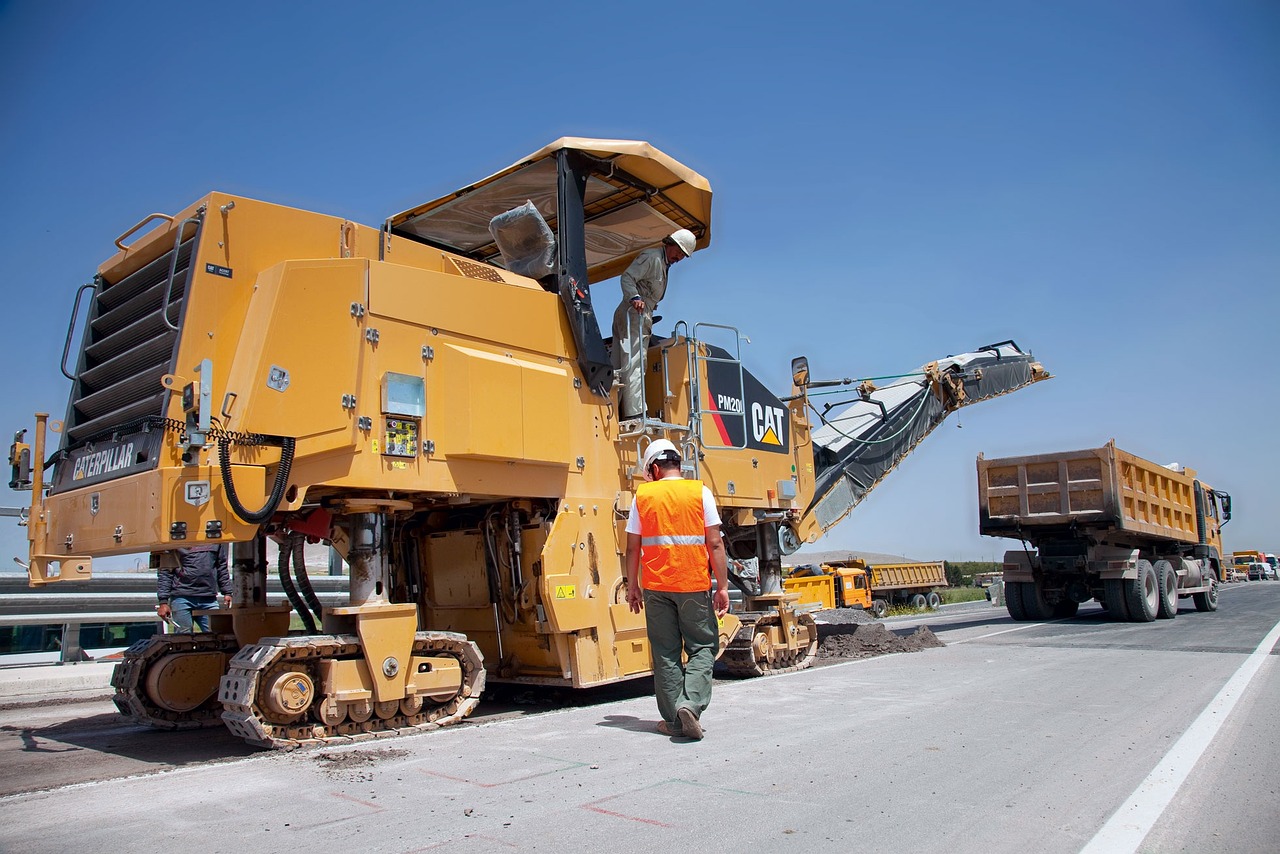
Homeowners and business owners alike are always looking for ways to improve their property’s curb appeal and functionality. One of the most significant decisions they face is the type of material to use for their driveway. Asphalt milling is an increasingly popular choice for driveways, and for good reason.
So how good is an asphalt milling driveway? Read more as we will explore the benefits of asphalt milling driveways, their installation process, as well as their maintenance requirements.
What Is Asphalt Milling
Asphalt milling, also known as RAP (Reclaimed Asphalt Pavement), is the process of removing and recycling existing asphalt pavement. This is done by grinding the surface down to a specific depth and then using the reclaimed material to create a new surface. The result is a cost-effective, environmentally friendly, and durable solution for driveways.
Benefits Of An Asphalt Milling Driveway
There are several advantages to choosing an asphalt milling driveway over other materials like concrete or traditional asphalt:
- Cost-Effective – One of the primary reasons homeowners and business owners choose asphalt milling is its cost-effectiveness. Since the material is recycled, it is often less expensive than other options. Additionally, the installation process is faster and requires less labor, further reducing costs.
- Environmentally Friendly – Asphalt milling is a sustainable option because it utilizes existing materials instead of requiring new resources. By recycling old asphalt, this process reduces waste and conserves natural resources. Moreover, since asphalt milling driveways last longer than many alternatives, they require fewer replacements, which further decreases the environmental impact.
- Durability – Asphalt milling driveways are incredibly durable, as the recycled material has already been through the weathering process. This means that it is less likely to crack, warp, or break down over time. Furthermore, the compacted surface provides excellent resistance to water, which can help prevent issues like erosion and potholes.
- Aesthetics – An asphalt milling driveway has a unique, textured appearance that many people find attractive. The surface can be left in its natural state or sealed for a more polished look. Additionally, the color of the material can be customized to match the surrounding landscape, providing a cohesive aesthetic.
- Low Maintenance – Asphalt milling driveways require minimal maintenance compared to other surfaces. They do not need to be sealed as often as traditional asphalt, and they are less prone to cracks and other damage. This means that homeowners and business owners can spend less time and money on upkeep.
Installation Process
The installation process for an asphalt milling driveway is relatively straightforward and typically involves the following steps:
- Site Preparation – Before installation can begin, the existing surface must be removed, and the area must be graded and compacted. This ensures a level and stable base for the new driveway.
- Material Delivery – Once the site is prepared, the asphalt milling material is delivered and spread evenly across the area. This can be done using specialized equipment or by hand, depending on the size of the project.
- Compaction – After the material has been spread, it must be compacted using a roller or other heavy machinery. This process helps to create a firm, stable surface that can withstand heavy loads and resist water infiltration.
- Sealing (Optional) – Some people choose to seal their asphalt milling driveway to enhance its appearance and prolong its lifespan. This step is optional and can be completed after the surface has been compacted.
Maintenance Requirements
Although asphalt milling driveways are low maintenance, there are still some tasks that homeowners and business owners should perform regularly to keep their surface looking and functioning at its best:
Regular Cleaning – Sweeping or blowing off debris, such as leaves and dirt, can help prevent buildup and staining on the surface. This is especially important after storms or heavy winds.
Prompt Repair – If any cracks or potholes do develop, it is essential to address them promptly. Ignoring these issues can lead to more extensive damage and costly repairs.
Seal Coating (Optional) – As mentioned earlier, sealing an asphalt milling driveway is optional but can provide additional benefits, such as improved appearance and increased longevity. If you choose to seal your driveway, it should be done approximately every three to five years, depending on the climate and usage.
How A Professional Contractor Can Help You
Installing an asphalt milling driveway can be a complicated and time-consuming process, so it is best to hire an experienced contractor. A professional will have the expertise and equipment necessary to get the job done quickly and efficiently. They can also provide valuable advice about sealing and other maintenance tasks that can help prolong the life of your driveway.
We recommend you to contact Greenfield Pavement Coatings in Clarksville, TN. They have years of experience providing asphalt milling services in the region and can help you create a functional, aesthetically pleasing driveway that will last for years to come. Contact them today for more information or to get started on your project.
And for more information about asphalt milling driveways and other related topics, we recommend visiting the National Asphalt Pavement Association’s website. They have a wealth of detailed information about asphalt paving and other related topics, as well as an extensive directory of reputable contractors in your area.
Final Thoughts
Overall, an asphalt milling driveway is an excellent choice for homeowners and business owners looking for a cost-effective, environmentally friendly, and durable solution. With its unique aesthetics, low maintenance requirements, and straightforward installation process, it’s no wonder that this material is gaining popularity.
By understanding the benefits and maintenance needs of an asphalt milling driveway, you can make an informed decision about whether this option is right for your property.